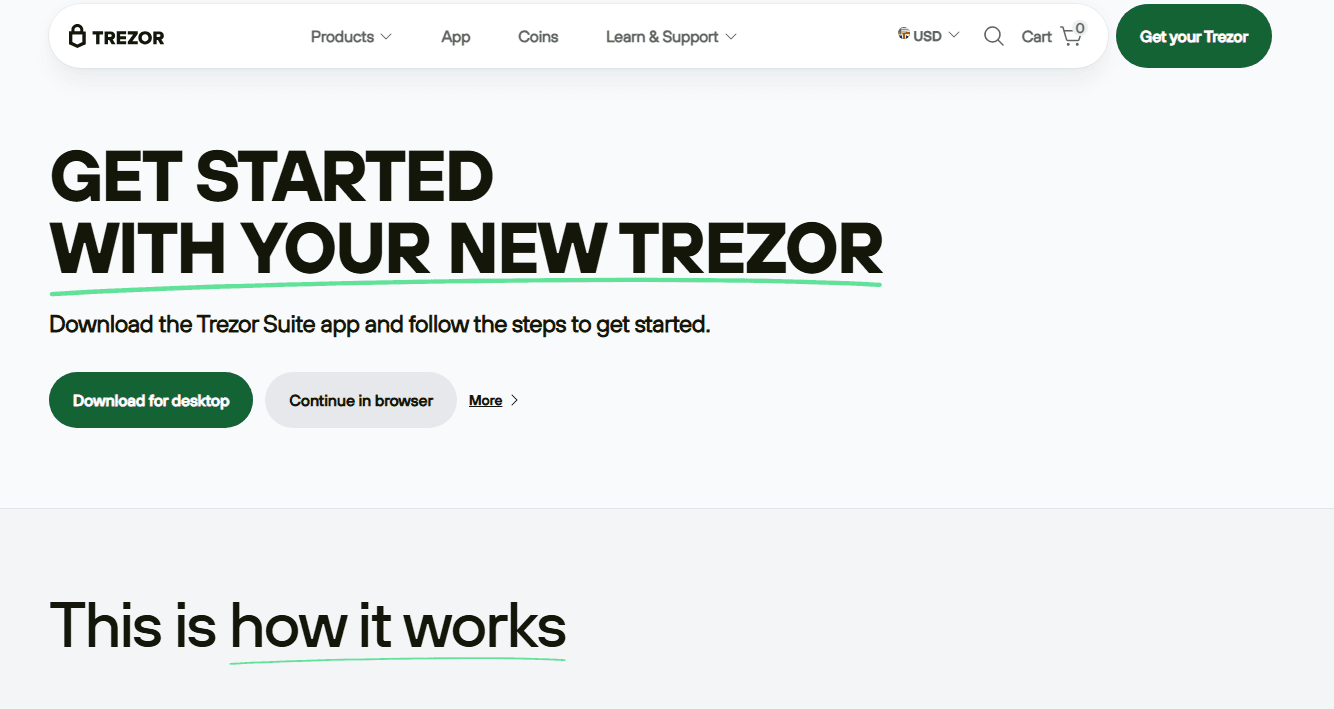
Trezor Login: Ensuring Secure Access to Your Cryptocurrency Wallet
In the rapidly growing world of cryptocurrency, safeguarding your digital assets is a top priority. Unlike traditional banking systems, cryptocurrencies rely heavily on private keys, which must remain secure at all times. Losing access or having these keys compromised can result in permanent loss of funds. This is where Trezor, a renowned hardware wallet, comes in. Trezor provides a highly secure offline environment to store cryptocurrencies, and understanding how to log in properly is crucial for anyone looking to manage their crypto safely.
What is Trezor?
Trezor is a hardware wallet developed by SatoshiLabs, designed to keep private keys offline and protected from hackers. Unlike online wallets or exchanges, which are constantly connected to the internet, Trezor stores your keys on a physical device. This offline storage method, known as cold storage, significantly reduces the risk of theft from malware, phishing attacks, or online breaches.
The login process for Trezor is fundamentally different from conventional online accounts. Rather than relying solely on usernames and passwords, Trezor uses a combination of the physical device, a PIN code, and optional passphrase protection. This multi-layered security system ensures that only the rightful owner can access the wallet and its contents.
Preparing for Trezor Login
Before you begin logging into your Trezor wallet, there are a few prerequisites to ensure a smooth and secure experience:
Trezor Device: Make sure your hardware wallet is in good condition. This could be a Trezor One or a Trezor Model T, depending on your setup.
Trezor Suite or Bridge: Trezor devices connect to your computer or mobile device through either Trezor Bridge software or the Trezor Suite application. Both enable secure communication between the device and your management interface.
PIN Code: During the initial setup, you set a personal identification number (PIN). You will need this PIN every time you log in.
Recovery Seed: While not required for daily login, your recovery seed is essential for restoring access if the device is lost, stolen, or damaged. It should always be stored safely offline.
Step-by-Step Guide to Logging into Trezor
Logging into your Trezor wallet is simple but requires attention to detail to maintain security. The following steps outline the login process:
Connect the Device: Insert your Trezor hardware wallet into your computer using a USB cable. Some devices support mobile connections via USB OTG.
Launch Trezor Suite or Compatible App: Open the Trezor Suite application on your computer or mobile device. The software will detect the connected device and establish a secure connection.
Verify Device Authenticity: Trezor prompts users to confirm the device’s authenticity. This step protects against tampered or counterfeit hardware. The device will display a code or pattern to match on the software interface.
Enter PIN Code: The device will ask for your PIN. Unlike traditional PIN entry, Trezor displays a randomized number grid on the device itself. You select the correct numbers corresponding to your PIN without typing them directly into the computer. This method prevents keyloggers from capturing your PIN.
Access Your Wallet: After entering the correct PIN, the wallet is unlocked. You can now view your balances, send or receive cryptocurrencies, and manage multiple accounts depending on your setup.
Optional Passphrase: For enhanced security, you can add a passphrase. This acts as a “25th word” to create a hidden wallet accessible only with the correct passphrase.
Security Measures for Safe Login
Trezor login is designed with multiple layers of security, but users must also adopt best practices to maintain protection:
Keep Your PIN and Passphrase Secret: Never share your PIN or passphrase. These are crucial for wallet access.
Beware of Phishing: Only access your wallet through official Trezor Suite or trusted applications. Avoid links from emails or messages claiming to provide access.
Regular Firmware Updates: Trezor frequently releases firmware updates to address vulnerabilities. Updating your device ensures maximum protection.
Choose a Strong PIN: Avoid predictable combinations such as birthdays or repeating numbers. A unique PIN adds extra security.
Physical Security: Keep your Trezor device in a safe place. Physical access can allow someone to attempt brute-force attacks on your PIN.
Common Login Issues and Solutions
Even with a secure setup, users may face login issues. Here are some common problems and how to resolve them:
Device Not Recognized: Check your USB cable, try different ports, or restart the Trezor Suite or Bridge software.
Forgotten PIN: If the PIN is forgotten, the device must be wiped and restored using the recovery seed. There is no way to recover the PIN without the seed.
Firmware Mismatch: Outdated firmware may prevent login. Updating your device resolves this issue.
Browser Compatibility: Some Trezor web interfaces may not work with all browsers. Use recommended browsers or Trezor Suite for reliable access.
Tips for Optimizing Your Login Experience
Enable Hidden Wallets: Using a passphrase allows you to create hidden wallets within the same Trezor device. This adds an extra layer of protection against theft.
Label Accounts Clearly: If managing multiple cryptocurrencies, labeling accounts helps organize your portfolio and makes navigation easier after login.
Regular Backups: Store multiple copies of your recovery seed securely offline to ensure you can restore your wallet if necessary.
Monitor Activity: Regularly check transactions and account balances to detect unusual activity early.
Why Trezor Login is Critical
The Trezor login process is more than just gaining access to your wallet; it is a key component of overall cryptocurrency security. By combining offline storage, a PIN code, and optional passphrase protection, Trezor ensures that your funds remain safe from online threats. Learning the login process and adhering to security practices empowers users to take full control of their assets.
Logging into Trezor also educates users about general digital security. Concepts like device verification, randomized PIN entry, and passphrases foster habits that protect against cyberattacks in other areas of life.
Conclusion
Trezor login provides a secure gateway to managing cryptocurrency assets. Its combination of hardware protection, PIN verification, and optional passphrase safeguards ensures that only authorized users can access funds. By following proper security measures, maintaining backups, and keeping firmware updated, users can confidently log in and manage their crypto assets safely.
Understanding the Trezor login process is essential for anyone serious about protecting digital wealth. With proper precautions, Trezor not only secures your cryptocurrencies but also provides peace of mind in a digital world where security threats are constantly evolving.
With consistent attention to security and proper use of the Trezor device, logging in becomes a seamless and safe routine, enabling users to focus on managing and growing their cryptocurrency portfolios without fear of compromise.