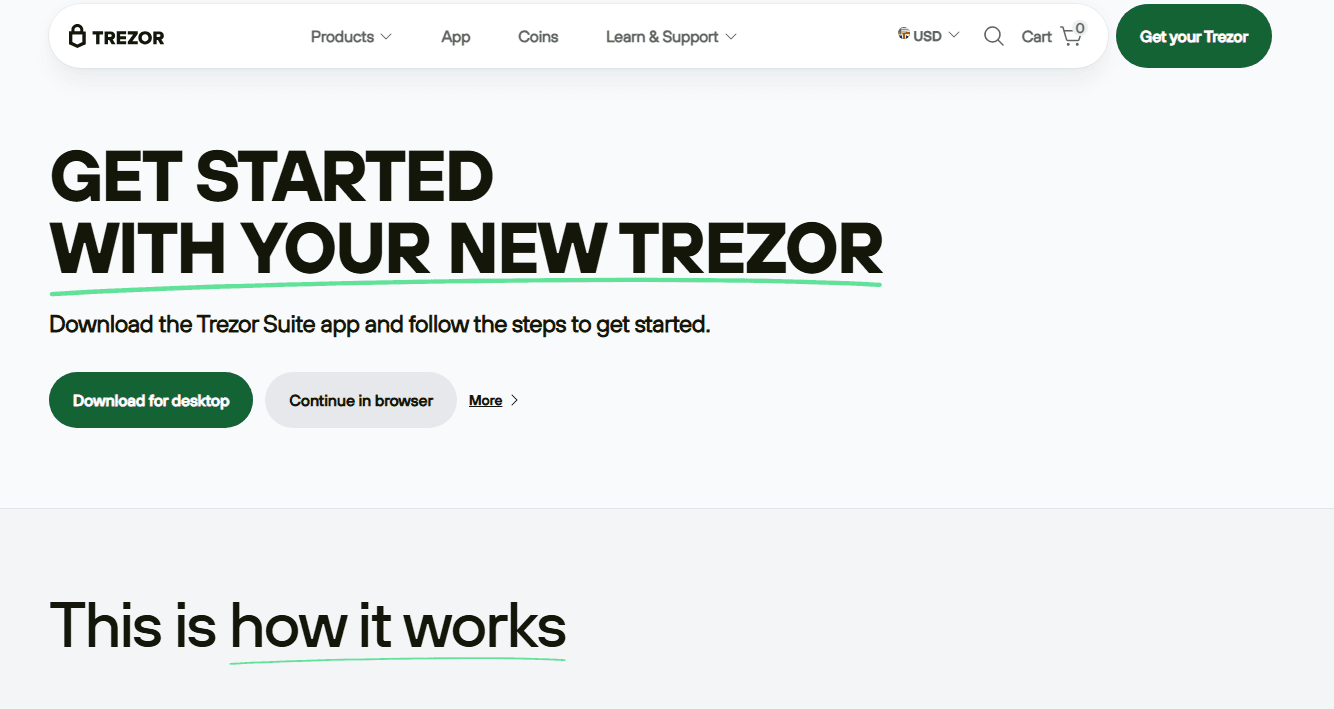
Trezor Login: A Complete Guide to Accessing Your Cryptocurrency Wallet Safely
In the world of cryptocurrency, security is paramount. With increasing threats of hacking, phishing, and theft, managing digital assets safely is critical. One of the most popular solutions for securing cryptocurrencies is using a hardware wallet, and Trezor stands out as a pioneer in this space. A Trezor device allows users to store their private keys offline, which drastically reduces the risk of online attacks. However, to access your funds, understanding the Trezor login process is essential. This guide provides a comprehensive overview of logging into Trezor, including security best practices, troubleshooting tips, and practical advice for beginners and experienced users alike.
Understanding Trezor and Its Login System
Trezor is a hardware wallet developed by SatoshiLabs that provides a secure environment for managing cryptocurrencies. Unlike software wallets, which store keys on your computer or mobile device, Trezor keeps the private keys offline. This means that even if your computer is compromised by malware, your funds remain safe.
The login process for Trezor is unique because it doesn’t rely on a traditional username and password system. Instead, it leverages the device itself and a PIN code set by the user during setup. This combination ensures that only someone with physical access to the Trezor device and knowledge of the PIN can access the wallet.
Preparing for Trezor Login
Before logging in, it is crucial to ensure that you have everything required for a smooth and secure login process:
Trezor Device: Ensure your Trezor hardware wallet is functioning properly. This may include Trezor One or Trezor Model T. Regularly check the firmware and keep it updated.
Trezor Bridge or Suite: Trezor login requires either the Trezor Bridge software installed on your computer or using Trezor Suite, the official application for managing your crypto assets. Trezor Suite simplifies login and account management while ensuring secure communication with your device.
PIN Code: During the initial setup, you set a PIN code. This PIN is required each time you log in and must be kept confidential.
Recovery Seed: While not needed for regular login, keeping your recovery seed safe is critical. If your Trezor is lost, stolen, or damaged, the recovery seed allows you to restore access to your funds on a new device.
Step-by-Step Trezor Login Process
Logging into Trezor is straightforward but requires careful attention to security details. Here is a step-by-step guide:
Connect the Device: Plug your Trezor device into your computer using a USB cable. For mobile devices, ensure your phone supports USB OTG connections or Bluetooth if using Trezor Model T with compatible apps.
Open Trezor Suite or Web Interface: Launch Trezor Suite on your computer or access the interface through supported applications. The software communicates with your device through Trezor Bridge if installed.
Verify Device Authenticity: Upon connecting, the device will prompt you to verify its authenticity. This step ensures that the device has not been tampered with and is genuine. Trezor devices display a unique verification code that must match the on-screen instructions.
Enter Your PIN: The device will prompt you to enter your PIN. This is not typed directly on the computer but instead entered using a randomized grid displayed on the device itself. The randomization ensures that keyloggers cannot capture your PIN.
Access Your Wallet: Once the correct PIN is entered, the device grants access to your wallet. You can now view balances, initiate transactions, and manage multiple cryptocurrencies depending on your setup.
Two-Factor Authentication for Additional Security: For enhanced security, some users integrate Trezor login with two-factor authentication (2FA) when connecting to exchange accounts or third-party applications.
Security Best Practices for Trezor Login
Security is the cornerstone of using Trezor. Even the most advanced hardware wallet cannot protect users from poor practices. Here are key security tips for logging in safely:
Never share your PIN or recovery seed. These are the keys to your funds. No legitimate support or service will ask for them.
Check for phishing attempts. Always access Trezor Suite or related apps from trusted sources. Avoid clicking on email links claiming to provide access to your wallet.
Keep your device firmware updated. Trezor regularly releases updates to patch vulnerabilities and improve security.
Use a strong PIN. Avoid simple combinations like birthdays or repeating numbers. A longer PIN with a unique pattern adds an extra layer of security.
Physically secure your device. If someone gains physical access, they could attempt brute-force attacks on the PIN. Keep your Trezor in a secure location.
Troubleshooting Common Trezor Login Issues
Even experienced users can encounter issues when logging into Trezor. Common problems and solutions include:
Device Not Recognized: Ensure the USB cable is functioning, try different ports, or restart the Trezor Bridge or Suite.
Incorrect PIN Entry: If you forget your PIN, there is no way to recover it without wiping the device. In such cases, you must use the recovery seed to restore access.
Firmware Mismatch: If your device firmware is outdated, Trezor Suite may prevent login. Updating firmware through the official suite resolves this.
Browser Compatibility: Some web interfaces may not be compatible with certain browsers. Use recommended browsers or Trezor Suite for the most reliable experience.
Tips for Efficient Trezor Login
Enable passphrase protection: Trezor allows an optional passphrase in addition to the PIN. This passphrase functions as a “25th word” for your seed, creating a hidden wallet accessible only with the correct passphrase.
Label accounts clearly: For users with multiple cryptocurrencies, labeling accounts in Trezor Suite helps streamline navigation after login.
Regularly backup your recovery seed: Keep multiple secure copies offline in different locations to ensure you can restore your wallet if necessary.
Understanding the Role of Trezor in Your Crypto Security
Logging into Trezor is not just a convenience; it is a gateway to securely managing your digital wealth. Unlike software wallets that are always connected to the internet, Trezor ensures that private keys never leave the device. This offline approach, combined with secure login practices, protects users against phishing, malware, and unauthorized access.
The Trezor login process also serves an educational purpose. By familiarizing yourself with PINs, passphrases, and device verification, you develop better habits for general digital security. These practices extend beyond cryptocurrency management, improving overall cybersecurity awareness.
Conclusion
Trezor login represents a balance between security and accessibility. By leveraging a hardware device, a personal PIN, and optional passphrase protection, users gain secure access to their cryptocurrency assets while minimizing exposure to online threats. Following best practices, keeping firmware updated, and safeguarding recovery seeds ensures a smooth and secure login experience. Whether you are a beginner or an experienced crypto holder, understanding the Trezor login process is a vital step in taking full control of your digital assets.
By taking the time to master this process, you not only protect your investments but also gain confidence in managing cryptocurrencies safely. With Trezor, secure access to your wallet is not just about convenience—it is about peace of mind in the ever-evolving landscape of digital finance.