Absolutely! I can create an original, in-depth, and engaging guide about Trezor login, suitable for a 1200-word article, completely link-free. Here’s a draft:
Trezor Login: Your Complete Guide to Secure Cryptocurrency Access
Cryptocurrency has revolutionized the way we think about finance, offering opportunities for investment, digital transactions, and financial freedom. However, with this revolution comes responsibility. Unlike traditional banking systems, cryptocurrencies are entirely decentralized, meaning that users are solely responsible for the security of their digital assets. One of the most reliable tools for protecting cryptocurrencies is a hardware wallet, and Trezor is one of the most trusted names in this space.
Accessing your Trezor wallet securely begins with the Trezor login process, which ensures that only you can manage your digital assets. This guide will walk you through everything you need to know about logging into Trezor, maintaining security, and using its features effectively.
Understanding Trezor and Its Purpose
Trezor is a hardware wallet designed to store your cryptocurrency private keys offline. Private keys are like the master password to your digital assets. If they fall into the wrong hands, your funds can be irreversibly stolen. Unlike software wallets, which store keys online and are vulnerable to hacking, Trezor keeps your private keys offline, ensuring a high level of security.
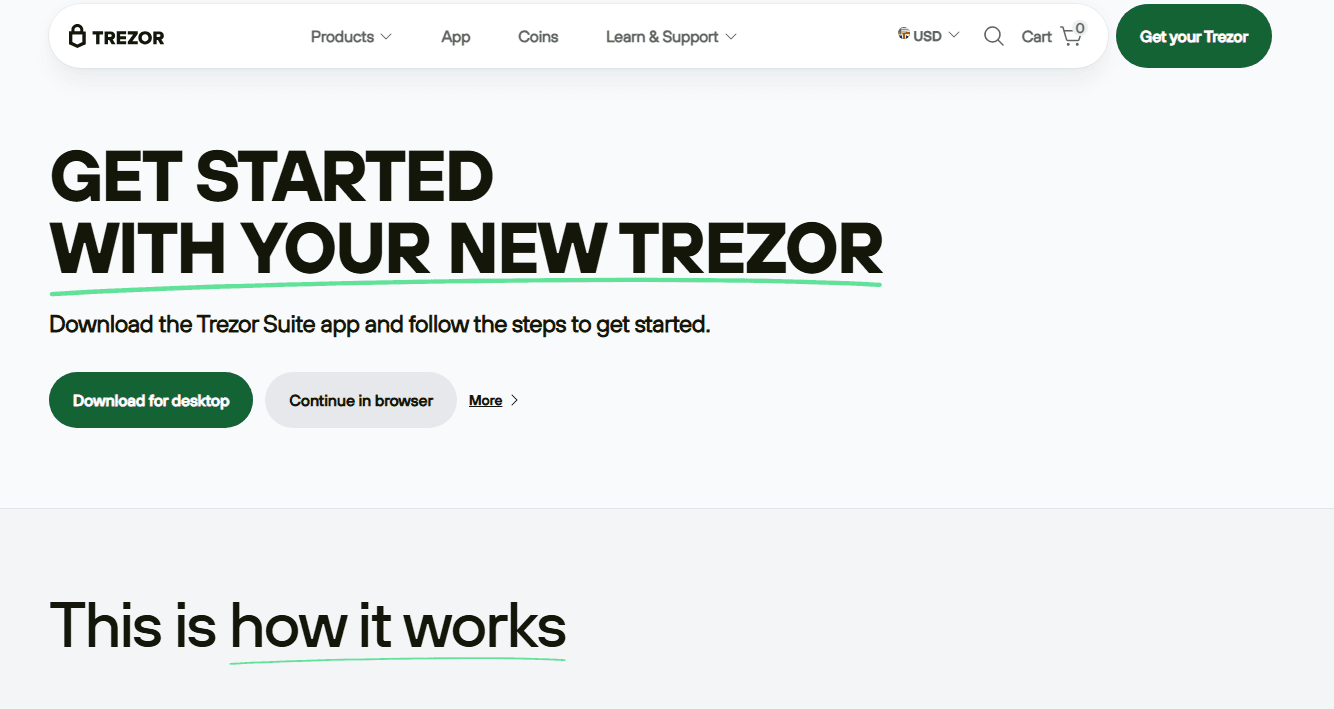
Trezor also provides a companion software interface called Trezor Suite. This software allows you to manage your cryptocurrencies, monitor balances, and execute transactions, all while keeping your private keys secure on the device itself.
Why Secure Login Matters
The Trezor login is more than just a gateway to your wallet; it is a critical security checkpoint. Because cryptocurrencies are decentralized and irreversible, unauthorized access can result in permanent loss. Secure login ensures that:
Only the wallet owner can access the funds.
Transactions are authenticated and verified.
Private keys never leave the hardware device, protecting them from online threats.
Without a proper login process, even a small security lapse could compromise your entire cryptocurrency portfolio.
Preparing for Your Trezor Login
Before logging in, it’s important to ensure you are fully prepared. Here are some key steps:
Set Up Your Device Properly: When you first receive your Trezor wallet, follow the setup instructions carefully. This includes initializing the device, creating a PIN, and generating a recovery seed. The PIN is a numerical code that prevents unauthorized access, while the recovery seed allows you to restore your wallet if the device is lost or damaged.
Secure Your Recovery Seed: Your recovery seed is a set of 12 to 24 words generated during setup. It is your backup in case your Trezor device is unavailable. Store it offline, in a safe location, and never share it.
Install Trezor Suite: Trezor Suite is the official software for managing your wallet. Installing it on a trusted computer ensures that you can safely log in and manage your cryptocurrencies.
Update Firmware: Make sure your Trezor device is running the latest firmware. Updates often include critical security enhancements.
How the Trezor Login Works
Logging into your Trezor wallet involves both physical confirmation on the device and interaction with Trezor Suite. Here is a step-by-step explanation:
Connect Your Trezor Device: Plug the Trezor device into your computer using the supplied USB cable. Some newer models may support additional connection methods, but USB remains the standard for security.
Enter Your PIN: On the Trezor device, you will be prompted to enter your PIN. This PIN is not transmitted to your computer; it is verified internally on the device itself.
Open Trezor Suite: Launch the Trezor Suite software. The application will detect your device and prompt you to unlock your wallet.
Authenticate Access: The device will ask for confirmation before granting access to the wallet interface. This ensures that all operations are approved physically by the wallet owner.
Once logged in, you can access your account dashboard, view balances, send and receive cryptocurrencies, and manage assets safely.
Two-Factor Authentication and Additional Security
Trezor takes security seriously, and while the hardware device itself is highly secure, adding extra layers of protection is always recommended:
Use a Secure Computer: Always access your Trezor wallet from a trusted, malware-free device. Avoid public computers or networks.
Enable Passphrase Protection: Trezor allows the addition of a passphrase to your wallet. This adds an extra security layer on top of the PIN and recovery seed. The passphrase is never stored on the device, so even if the hardware is stolen, funds remain secure.
Verify URLs and Software: Always use official software and ensure your computer is free from phishing malware. Never input your recovery seed online.
By combining these measures, the Trezor login process becomes a robust safeguard against unauthorized access.
Troubleshooting Common Login Issues
Even with careful preparation, users may encounter challenges when logging in. Here are some common issues and solutions:
Device Not Recognized: Ensure that your Trezor device is properly connected. Try a different USB port or cable if needed.
Incorrect PIN: The PIN is device-specific. Ensure you are entering it correctly. Trezor devices limit attempts, so repeated failures may lock the device temporarily.
Software Not Updating: Ensure that your Trezor Suite software is up to date. Reinstalling the software may resolve persistent connection issues.
Passphrase Issues: If using a passphrase, double-check spelling, capitalization, and any special characters. A single discrepancy will prevent login.
In most cases, following these troubleshooting steps allows smooth access without compromising security.
Best Practices for Trezor Login Security
To maximize the security of your cryptocurrency assets, consider the following best practices:
Never Share Your Recovery Seed: This is your ultimate backup. Anyone with access can steal your funds.
Use a Strong PIN: Avoid simple or obvious numbers.
Keep Firmware Updated: Security updates are critical for protecting against evolving threats.
Regularly Monitor Your Wallet: Frequent checks help identify any suspicious activity early.
Physical Security: Store your Trezor device in a secure location when not in use.
By combining hardware security, software protection, and vigilant habits, Trezor users can achieve unparalleled safety for their digital assets.
Beyond Login: Managing Your Wallet
Logging in is just the beginning. Once inside Trezor Suite, you gain access to powerful features:
Portfolio Overview: View all cryptocurrency holdings in one place.
Transaction Management: Send and receive coins securely, with every transaction requiring physical confirmation.
Wallet Customization: Manage multiple accounts and add passphrase-protected wallets for extra layers of security.
Firmware and App Updates: Easily manage updates to maintain the highest level of security.
These features make Trezor not just a wallet, but a complete ecosystem for managing cryptocurrencies safely.
Conclusion
The Trezor login process is the gateway to secure cryptocurrency management. By combining hardware security, PIN verification, optional passphrases, and Trezor Suite software, users can confidently access and manage their digital assets. Following best practices, keeping devices updated, and safeguarding recovery seeds ensures that your cryptocurrencies remain protected against unauthorized access.
Trezor empowers users to take full control of their digital assets without compromising security or convenience. From beginners just starting their crypto journey to experienced investors managing complex portfolios, Trezor login provides a reliable, safe, and straightforward way to access and manage cryptocurrencies.
Secure your funds, safeguard your future, and confidently navigate the world of digital finance—Trezor makes it possible.